
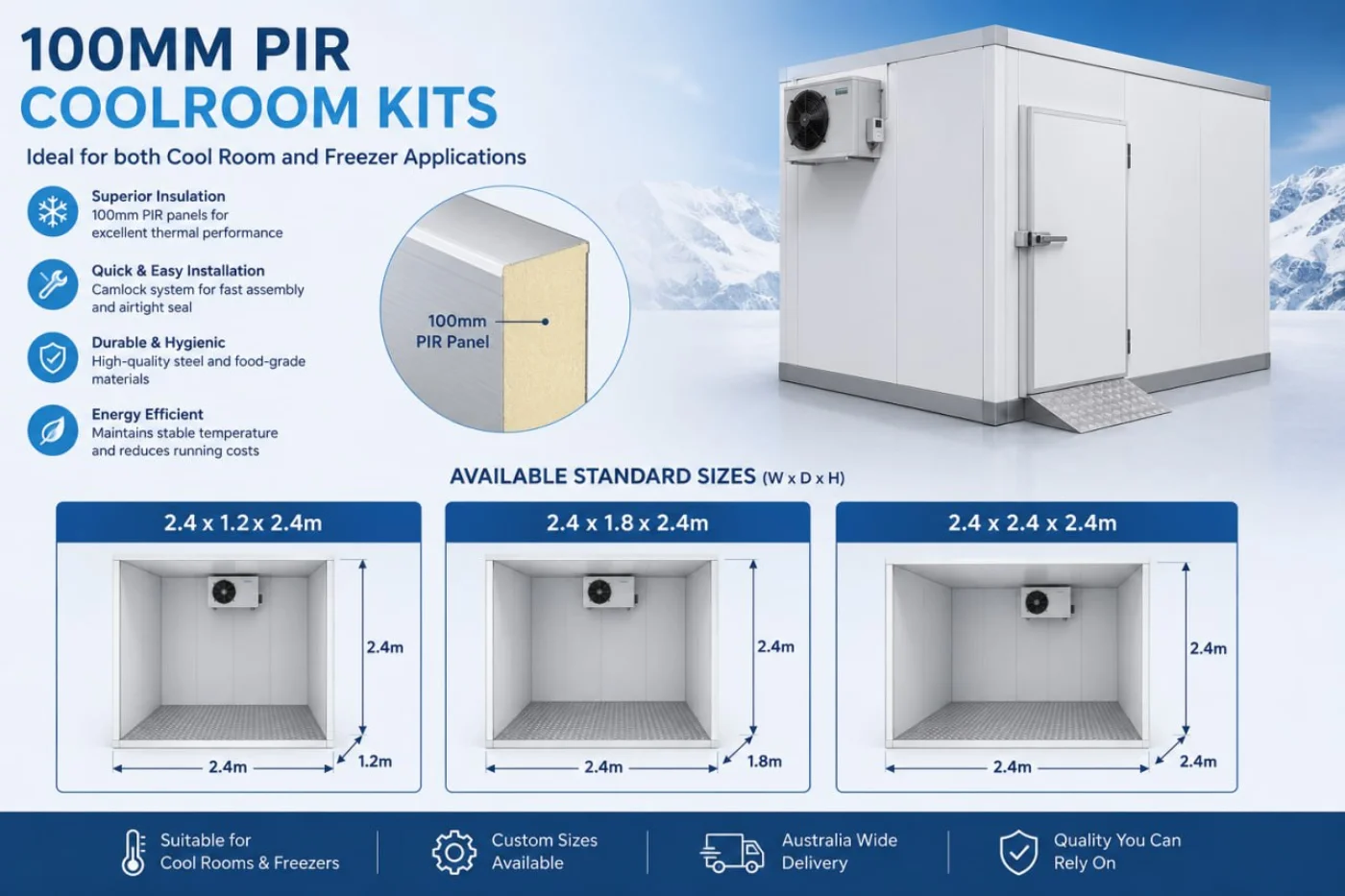
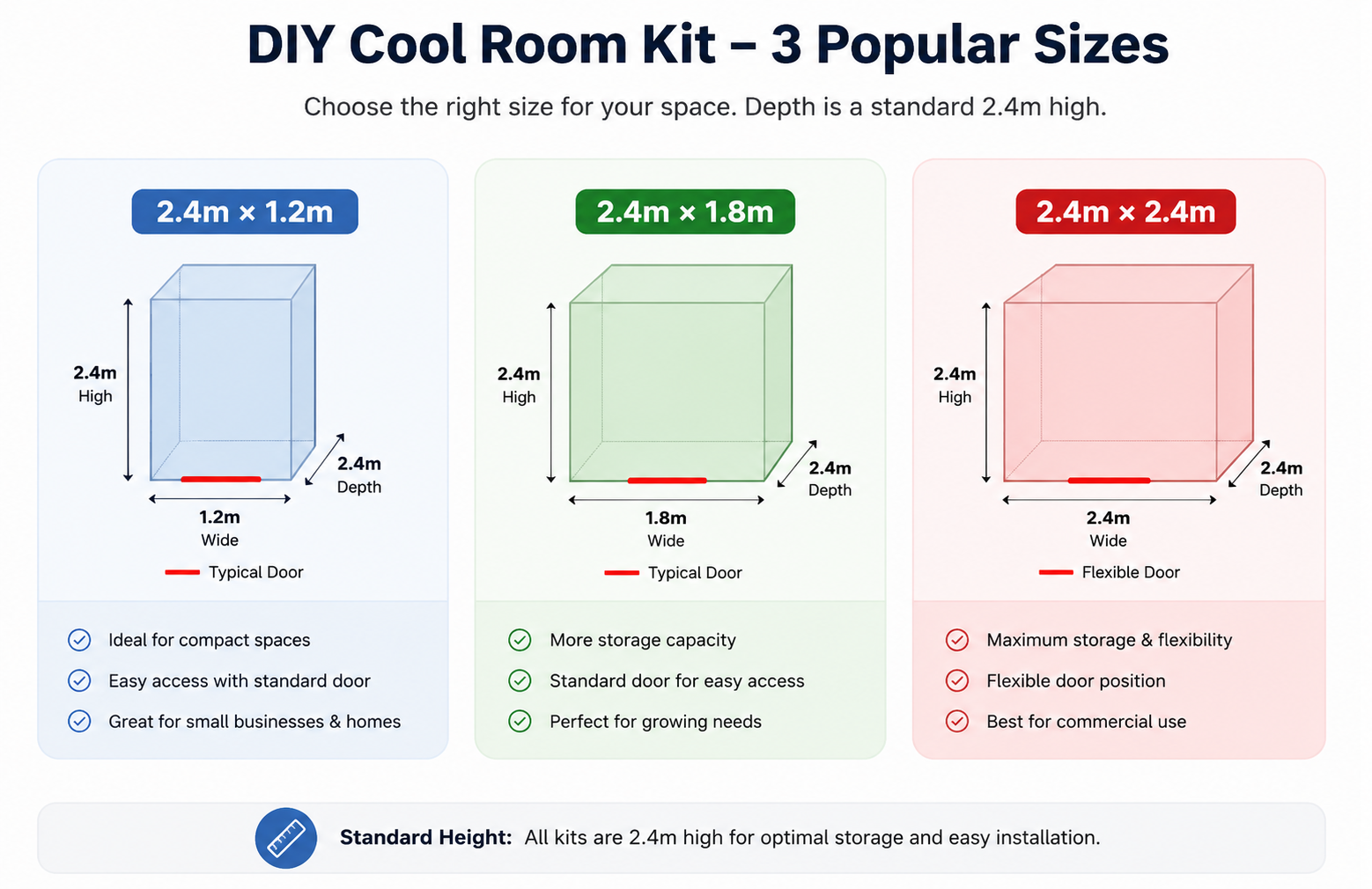
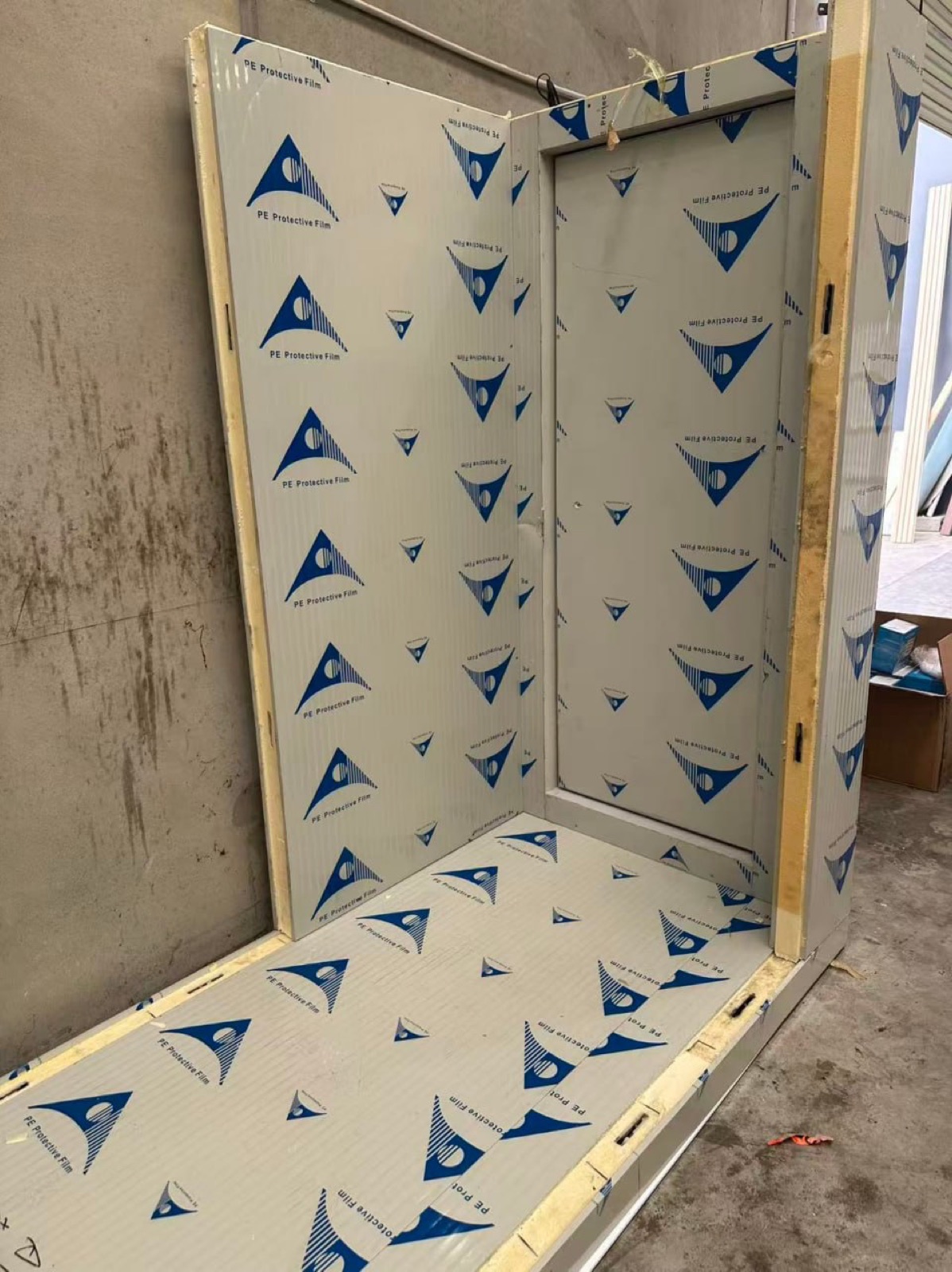
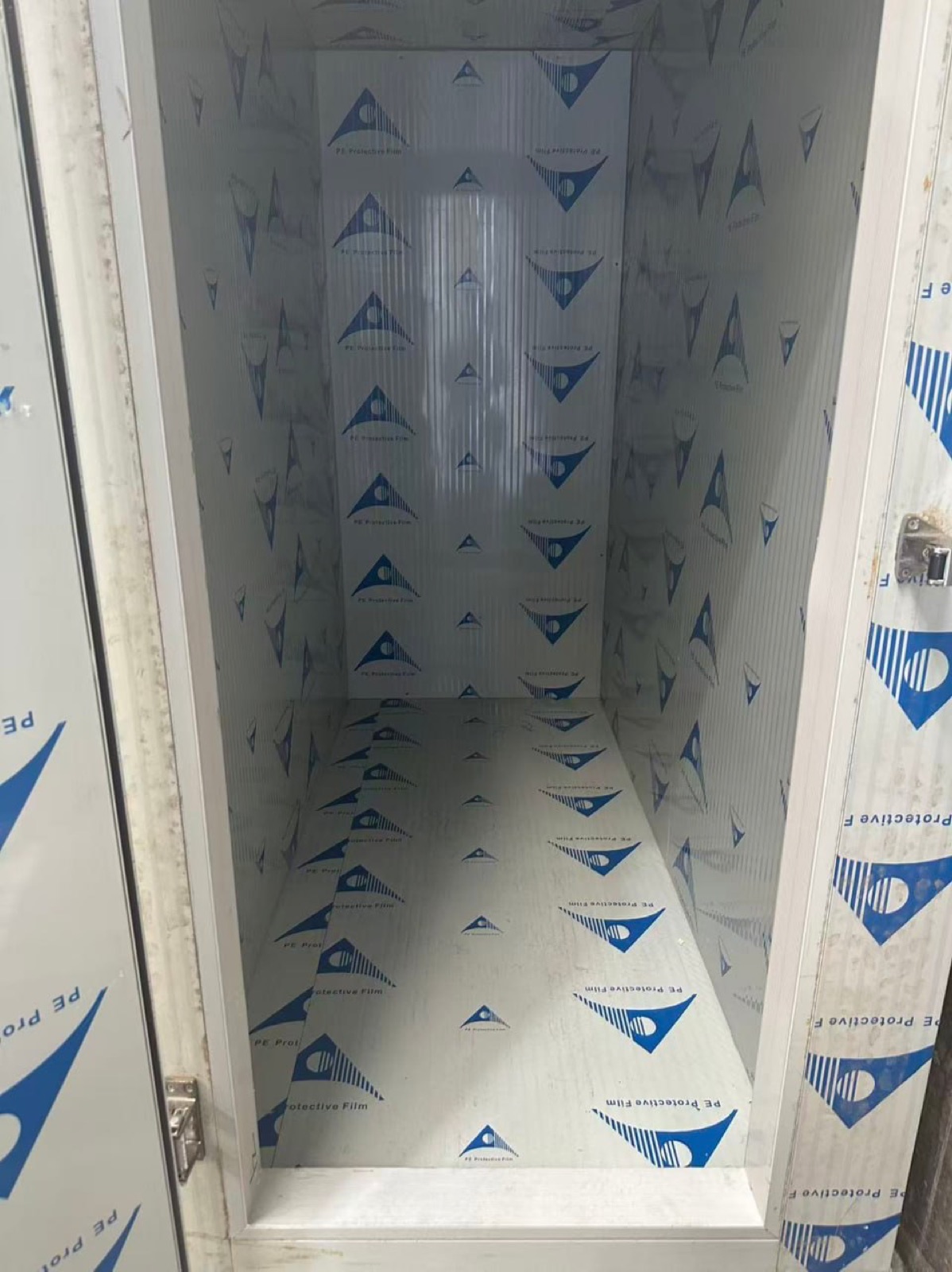
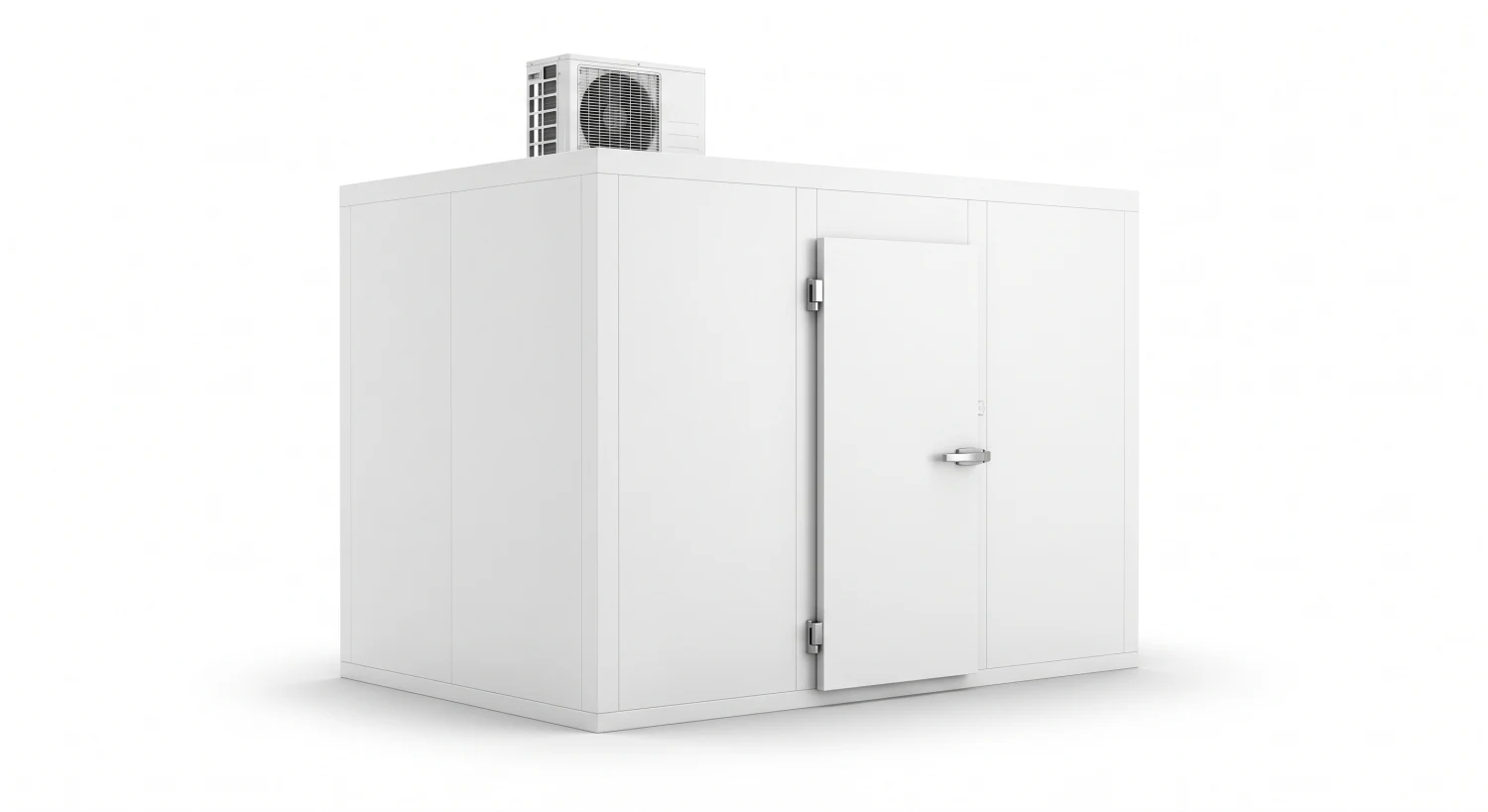
A complete DIY cold room or freezer
Assembled on site from 100mm PIR panels with an airtight cam-lock system. Supplied room only — refrigeration sold separately, compatible with standard units from suppliers like Actrol.
- 100mm PIR panels — freezer-grade insulation
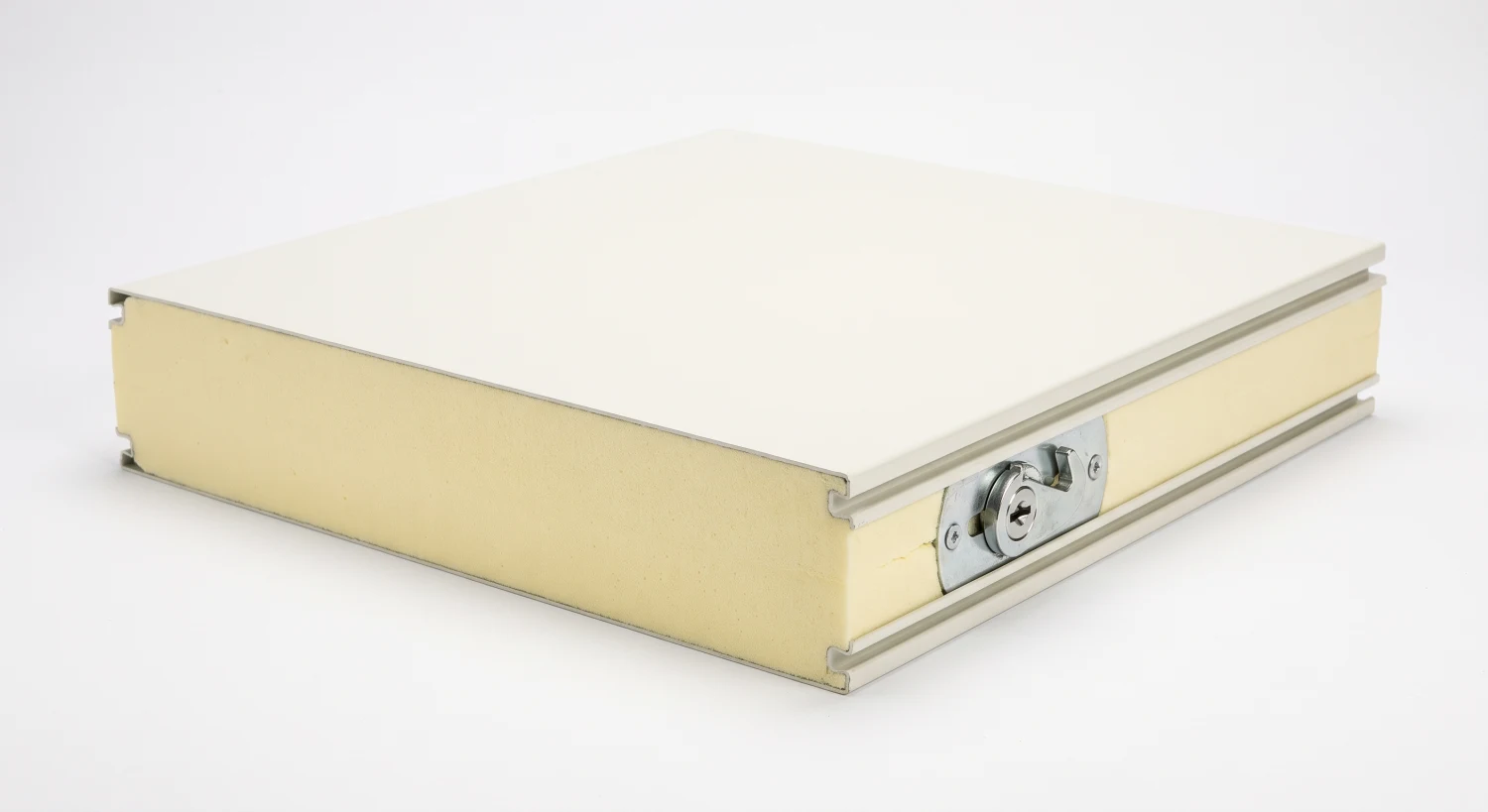
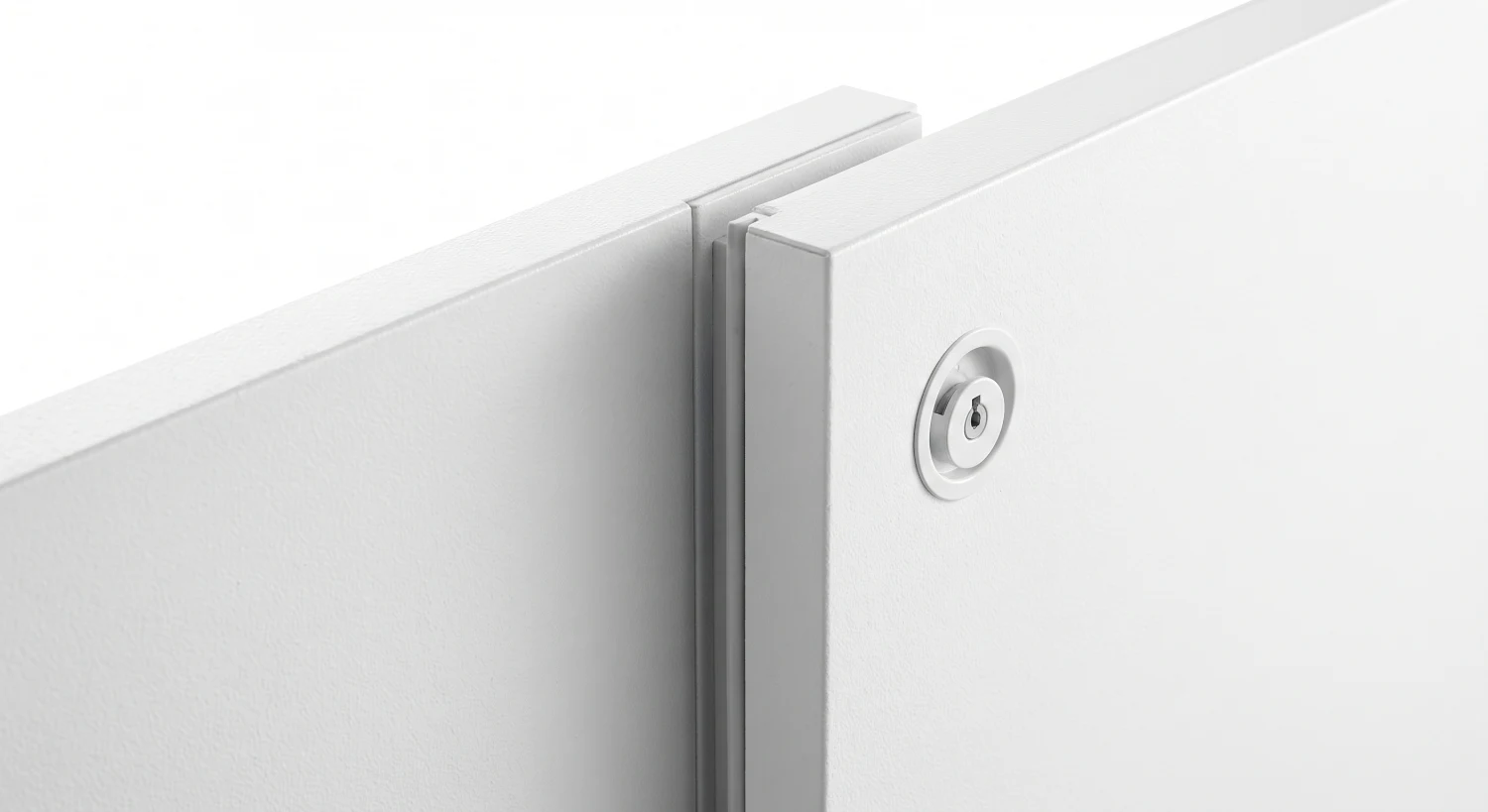
- Cam-lock joining — airtight, allen-key assembly
- Insulated door, hardware and threshold ramp
- Food-grade steel skins — hygienic, wipe-clean
- Sealants and extrusion; flat-packed for freight
Works with leading compressor brands
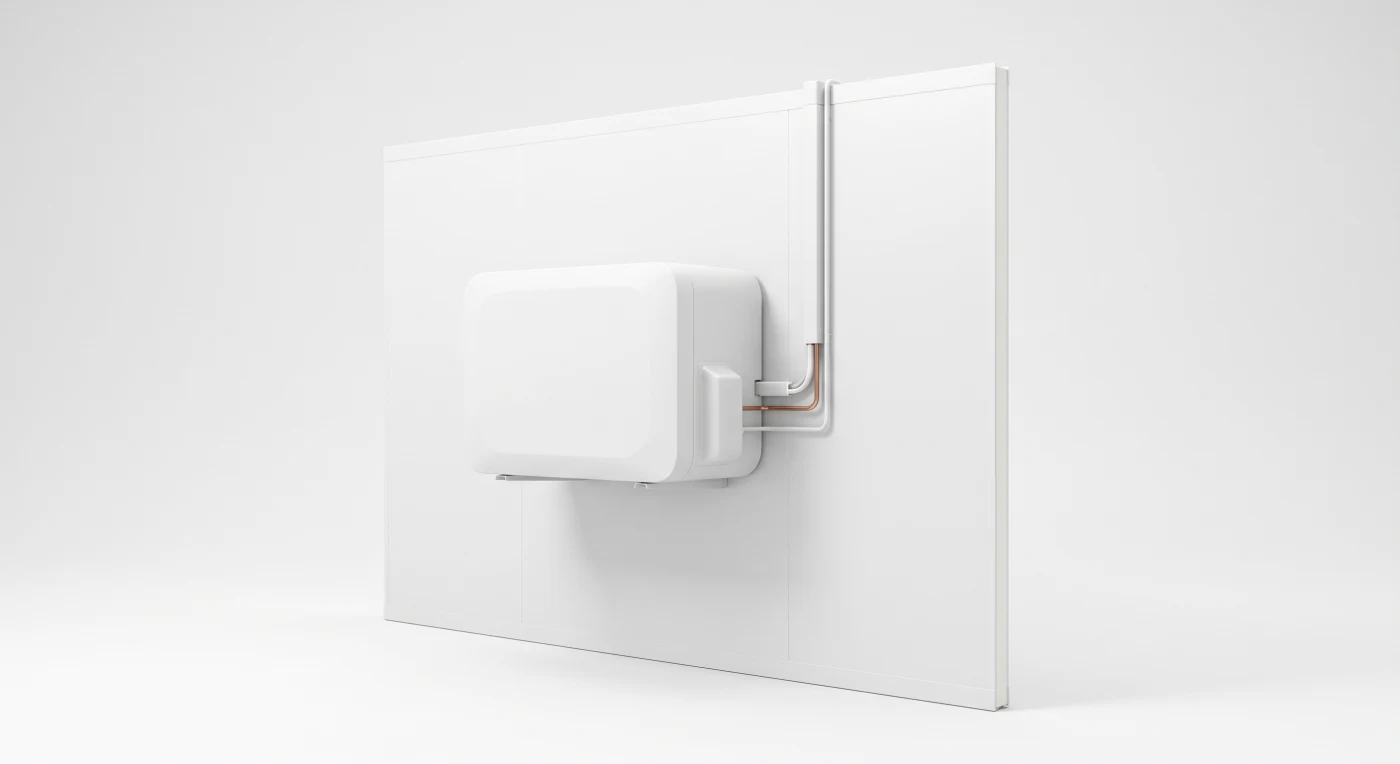
This listing is the room only — we do not supply the compressor. The kit is designed to suit standard monoblock and split condensing units from the leading brands below — all available through refrigeration wholesalers such as Actrol (branches Australia-wide, including Adelaide). Tell us your room size and target temperature and we will advise the right unit capacity to ask for.




Find a suitable unit at Actrol →
Brand names are trademarks of their respective owners; listed for compatibility reference.
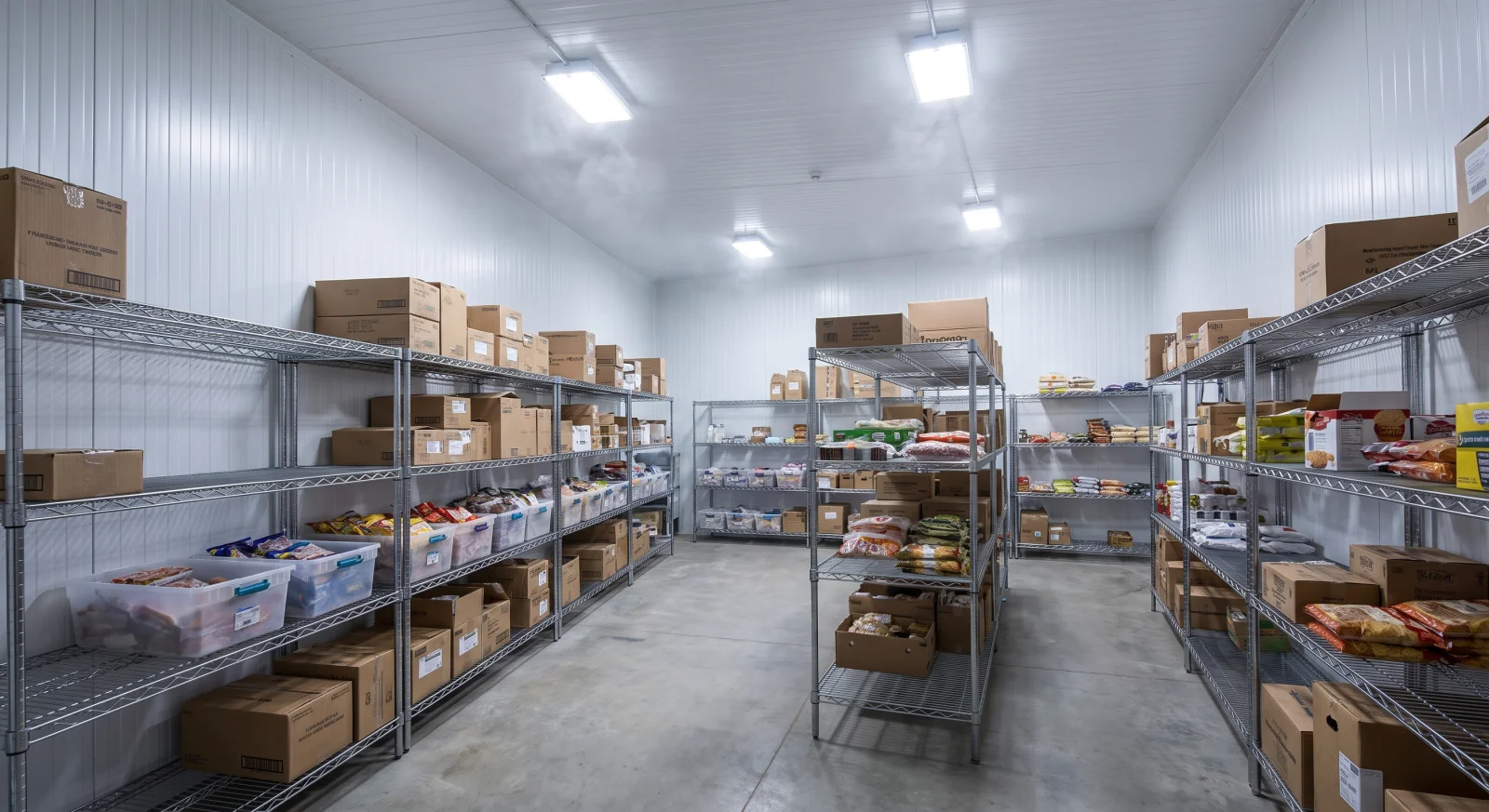
- 100mm PIR is freezer-grade — one room does chiller or freezer duty
- DIY cam-lock assembly — most rooms up in a day, two people
- Adelaide stock, delivered Australia-wide
100mm PIR vs 100mm EPS — what’s the difference?
Both are insulated sandwich panels, but the foam core is what sets them apart — and for a freezer it matters. Our kit uses a PIR (polyisocyanurate) core: a rigid, closed-cell foam that insulates far better per millimetre than standard EPS (expanded polystyrene / “beadboard”). At the same 100mm thickness you get noticeably colder, cheaper-to-run performance.
| Feature | 100mm PIR (this kit) | 100mm EPS |
|---|---|---|
| Insulation (R-value) | ≈ R4.5 m²K/W | ≈ R2.8 m²K/W |
| Thermal conductivity (λ) | ~0.022 W/m·K | ~0.036 W/m·K |
| Freezer-grade (−18°C) | Yes | Marginal — needs thicker panel |
| Cell structure | Closed-cell (low moisture uptake) | Fused beads (higher moisture uptake) |
| Fire behaviour | Self-extinguishing, forms protective char | Softens/shrinks with heat; needs FR grade |
| Running cost | Lower (better insulation) | Higher for the same temperature |
| Best for | Freezers & cool rooms, lowest power bills | Budget cool rooms, non-freezer |
Bottom line: at the same 100mm thickness, PIR delivers roughly 60% more insulation than EPS — so your refrigeration unit cycles less and your power bill is lower. That’s why we build our freezer kits from PIR, not EPS.
Panel specifications
| Insulation core | PIR (polyisocyanurate) — rigid, closed-cell |
| Panel thickness | 100mm |
| Core density | 40 kg/m³ (±2) |
| R-value | ≈ R4.5 m²K/W |
| Steel skins | 0.45mm, double-sided (grey-white) |
| Finish | Food-grade, hygienic wipe-clean |
| Joining system | Cam-lock — airtight, allen-key assembly |
| Temperature range | Cool room to freezer, down to −18°C |
Panel layout & parts list
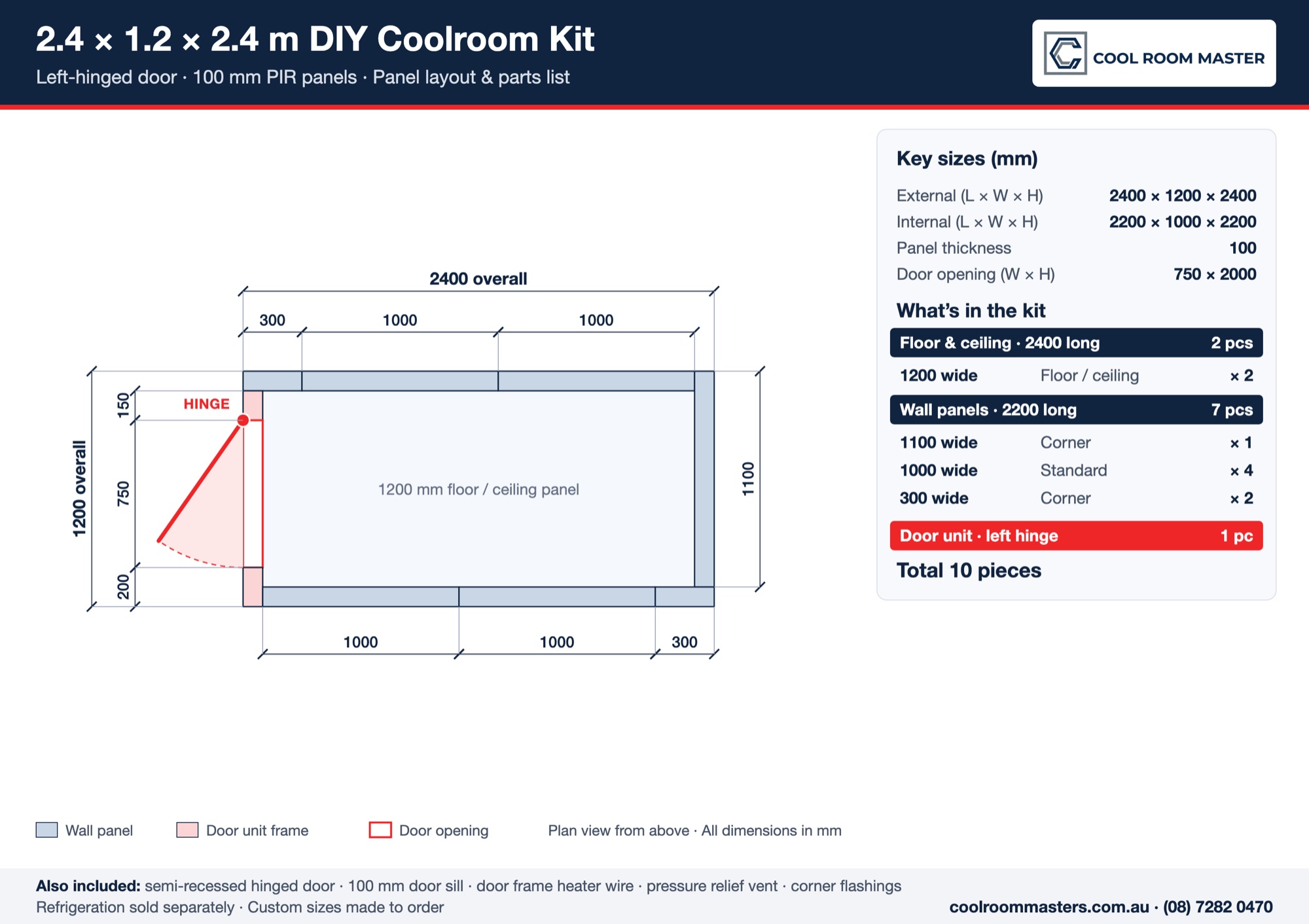
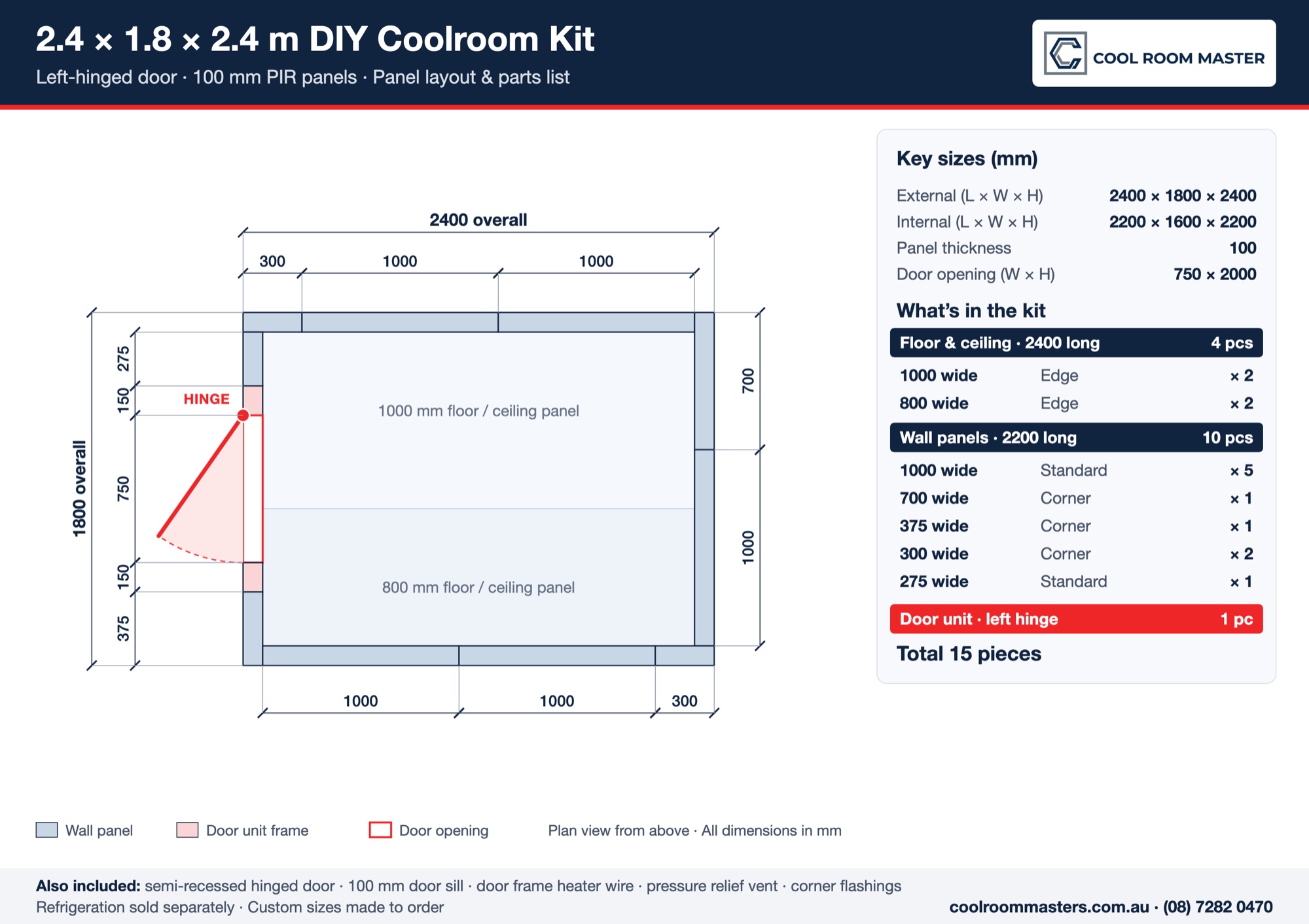
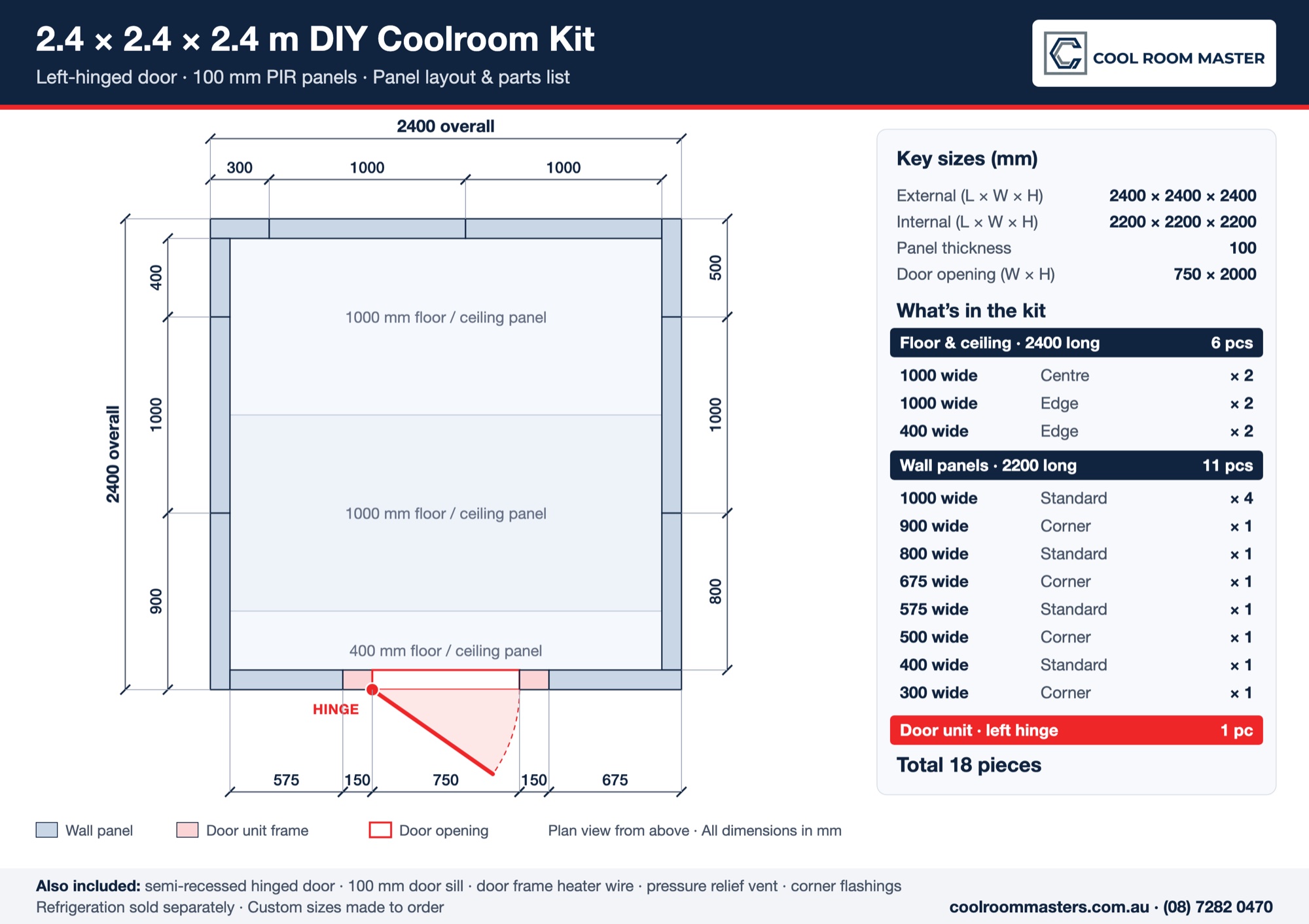
Each kit is supplied as 100mm PIR panels cut to the sizes below, so you know exactly what arrives and where every panel goes. Left-hinged door shown; the right-hinged layout is the same with the door swing reversed. Click a drawing to enlarge.

Reviews
There are no reviews yet.